Collaboration Week

For our collaboration week we all where interested in looking at the topic of Misconception. We wanted to look at how people judge each other instantly with out truly knowing our real personalities. We base our opinions on what they look like rather than knowing who they truly are. For my part in the collaboration as a fashion and textiles student I wanted to convey the idea of having someone half in what society expects us to look like, the “normal” and then on the other side who she truly is but in a more dramatic and conceptual way. Having two other fashion and textiles pupils in my group, we decided to split the different garments that we wanted to dress on the other side of the model. One made a mask to cover the side of the face. The other made bottoms and I made a sleeve. I wanted the sleeve to be dramatic and big so that it would be visible in the photoshoot and clear to the viewers. I initially viewed the sleeve to have volume. I first started my research looking at Victorian fashion and how they created the sleeve, looking at different shapes and how it fits on the body. However, I wanted it to be even more dramatic and to make it relevant to the subject. I really like how my sleeve was finished, as we where looking at sustainablily I used cable ties to help create the volume in the sleeve. However, I also used them to show the controlling part of society and how we are controlled to look a certain way, thats why when someone dresses different we look and we stare and we judge. I also help with setting up with the photoshoot and organising what we was going to do in the background of our images. I wanted the photoshoot to look fun and dramatic like a party to represent the fun side of our character. I spray painted the background with the word misconception in the colours red and pink to make it look messy and unorganised, to show her unorganised life that people don’t see from first looks. By adding the balloons and the silver tinsel really makes you look at all of the image rather than just the clothing, so that you get a full understanding of the image and the point that we are getting across. In addition, I really found this week interesting to see other peoples talent all come together to create our final piece successfully.


Industry Week: Wales Bonner

For the Wales Bonner, industry week project I wanted to focus my research on Zanzibar in the 1913s as that was a big part of her research for her ss19 collection. Using this research to help inspire me, extracting shapes and materials that would have been used at the time, but also looking at Bonners past collections and her style. From my research I found that her style is minimalistic but easy to identify where she got her inspiration from. By using iconic clothing from India and Zanzibar and then modernise it to create her own collect. I really like how my draping turn’t out especially the picture at the bottom, using a blazer which she commonly uses in her latest collection. I really like how I have added another sleeve style to one side of the blazer to carry on the style of the traditional draping that I extracting from my research. However, my second draping I didn’t like how I created a cross over, I wanted to develop the blazer draping, but I don’t believe it was successful when I done it. I could of developed it by maybe using a different material or placing it into a different position on the body. However, I really loved my final lineup designs, I thought that they where clear with the technical designs at the top. However, I could develop my technical drawings further by doing them on illustrator instead of hand drawing.
Sportswear Details: final week and final design

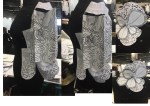
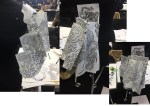
For the final week, i then went onto develop by extracting shapes and details and progressing these ideas into a 3D form by making toile and working on the mannequin to make my designs more realistic. I then wanted to look closer at the patterns used and became interested in one images that used a line drawing pattern which I then updated the colour and scale.

I really like the pattern enlarged and think it looks better when its bigger and clearer, especially when I was working on the mannequin. Folding the paper to create pleats to make it look more to my initial designs. I then wanted to play with colour and update the pattern. From finding my inspiration from an image that was black and white allowed me to input my own interpretation on what colour I wanted the pattern. After, responding to my initial designs from the stand work, it then lead me on to making toiles which I would use in my final designs. looking at pleating as my main detail I wanted to test out different styles which could help further my designs and problem solving how each pleat is made. I really liked how the gathered effect worked and found it really successful. furthermore, I like how it naturally bunches together creating its own shapes when I pulled the thread. However, if I could improve I would of improved on the box pleat shown in the image, I decided to sew it together whereas I should of ironed it instead. In my crit, Iwas told that I needed to create more detailed and clearer designs so that you can see the details on the garments clearer, which is what this project is about.

Details Project: Research

This week our next project was looking at details and turning it into sportswear. Referencing to historical clothing between 1950s to 1750s, looking at the unique details which present that period. I wanted to focus my research on 1930s fashion looking at the sportswear at that time. Visiting an exhibition at the London Fashion and Textiles museum which presented an all rounded theme of 1930s fashion looking at evening wear, day wear and even work wear. I found that the most interesting details where the pockets and the placements of the fastenings on the garment.  Also continuing my research by looking at books and magazines, one piece of research was from a 1939 vogue edition in which I gained a greater understanding of what the overall style was at the time and the common details. Having all this research combined with the modern research that I collected from shops such as Nike and North Face. With this research I was able to combine them together which will inspire me when is comes to designing, to use the modern research to update the details from the 1930s.

Toile: Sleeves

Making sleeves that is to be attached to my original toile I found tricky, however interesting. Following a step to step guide on how to make the sleeves was clear and understanding. I have always been interested in detail and pattern cutting, which made this task really interesting and productive. Showing each step from cutting the shape of the sleeve from the bodice block and then pinning the darts and sewing the darts together. I found these two steps pretty easy as I had done it before with the toile for the bodice. However, I do need to make sure for next time that i put all my notches into the sleeve and the top because it became quite hard trying to lineup the sleeve with the top. So from that mistake I have learnt the importance of notches in pattern cutting overall and will take this learning curve onto my next garment. When it came to easing the sleeve around the armhole especially the top part of the sleeve, it became quite hard, having never made a sleeve before.  From my first attempt, shown from the close up image of the sleeve, where I haven’t flattened the fabric enough, which made the fabric gather while I was sewing. Furthermore, the rest of the sleeves looked and worked perfectly, fitting around the shoulder and equal on both sides. I also learnt to put the pins horizontal so that it was easy when sewing, to be able to sew over them without moving the position of the fabric.

Deconstruct/Reconstruct: Final Garment and Photoshoot Research

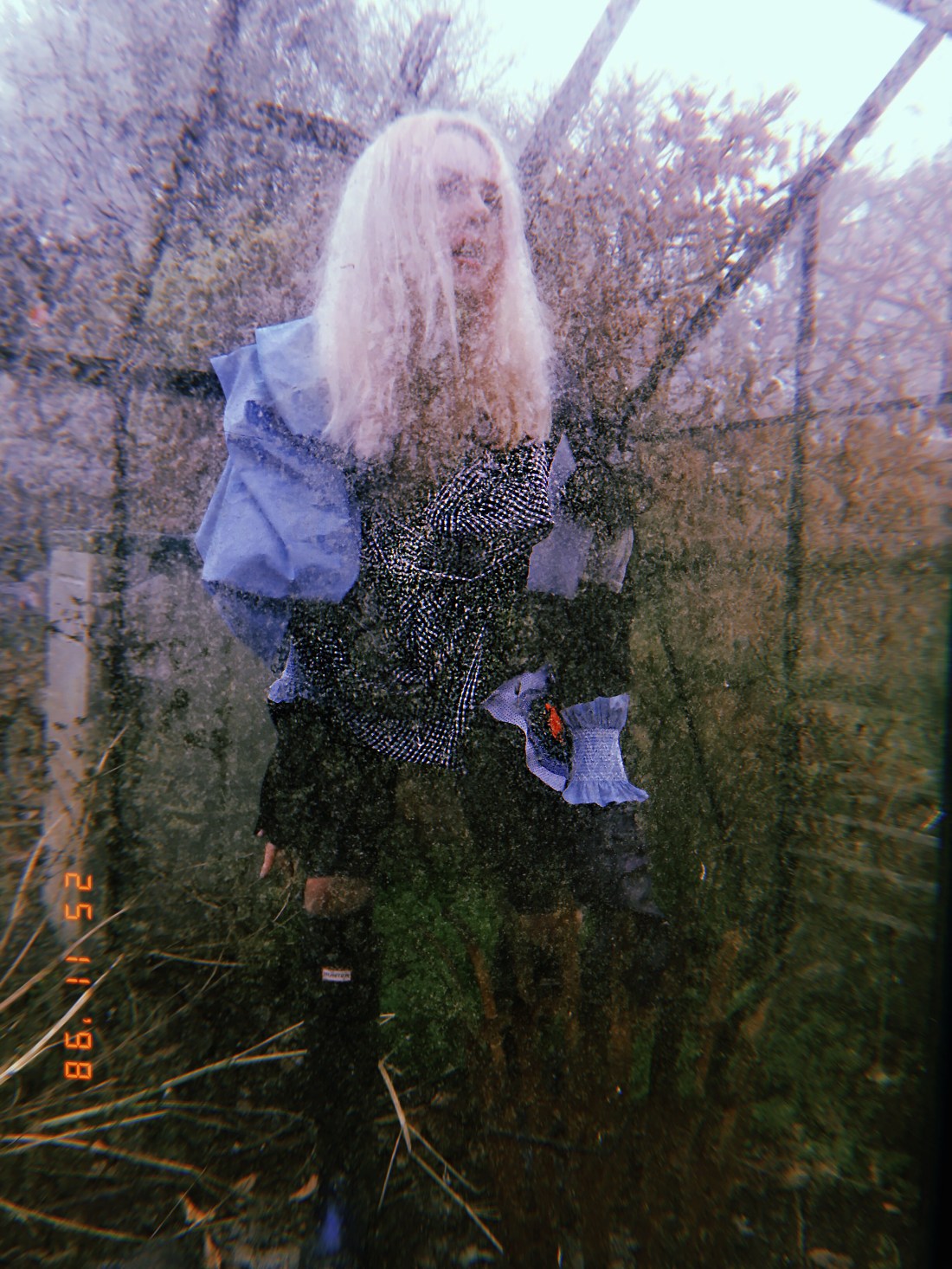
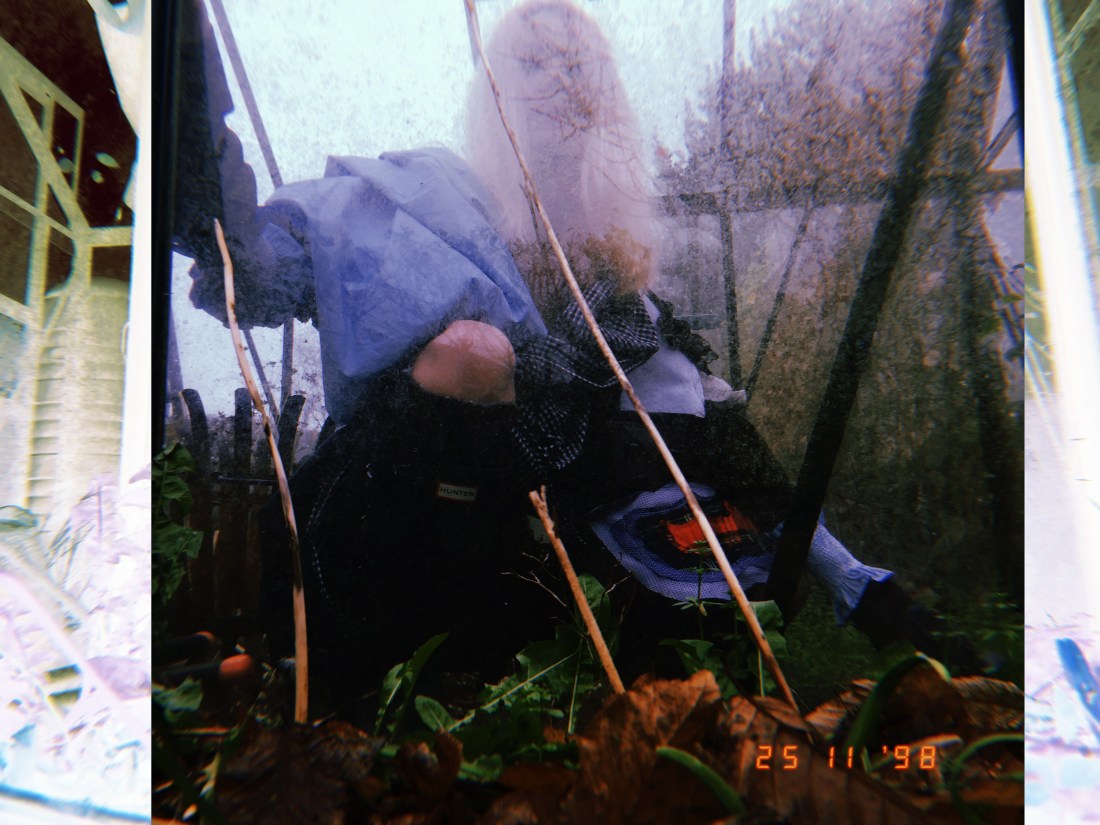
For my final garment looking at aspects of Victorian Historic clothing and the main features that made that era in fashion. Focusing on volume such as the sleeves, but also looking at outerwear such as mens blazers and detail. Researching into where I wanted to take the photoshoot instantly gave me the thought of somewhere that is run down and broken, having once been reconstructed and now deconstructed and ruined. Another well known part of Victorian society was their interest into botanical plants and green houses such as kew gardens. However, my dad used to love gardening until the winter has come and not having much time to, our green house has overgrown with weeds and broken glass. I thought that this would be a perfect location for my final piece as I wanted to show the deconstruction in the image with the broken windows and overgrown weeds but still keeping it to the Victorian era.  Using the app HUJI to create the effect on the camera to make it old and dark, and using invert in certain places of the image to show the exposure and the rawness in the image. I could develop on maybe really focusing more on the actually garment then capturing the surrounding and the importance of gearing the greenhouse in. However, I really like the effect of the camera and testing with different positions and camera angles to really capture the deconstructed and raw theme. final-pic-6.jpgfinal pic 3final pic 2

Deconstruct/Reconstruct: Crit

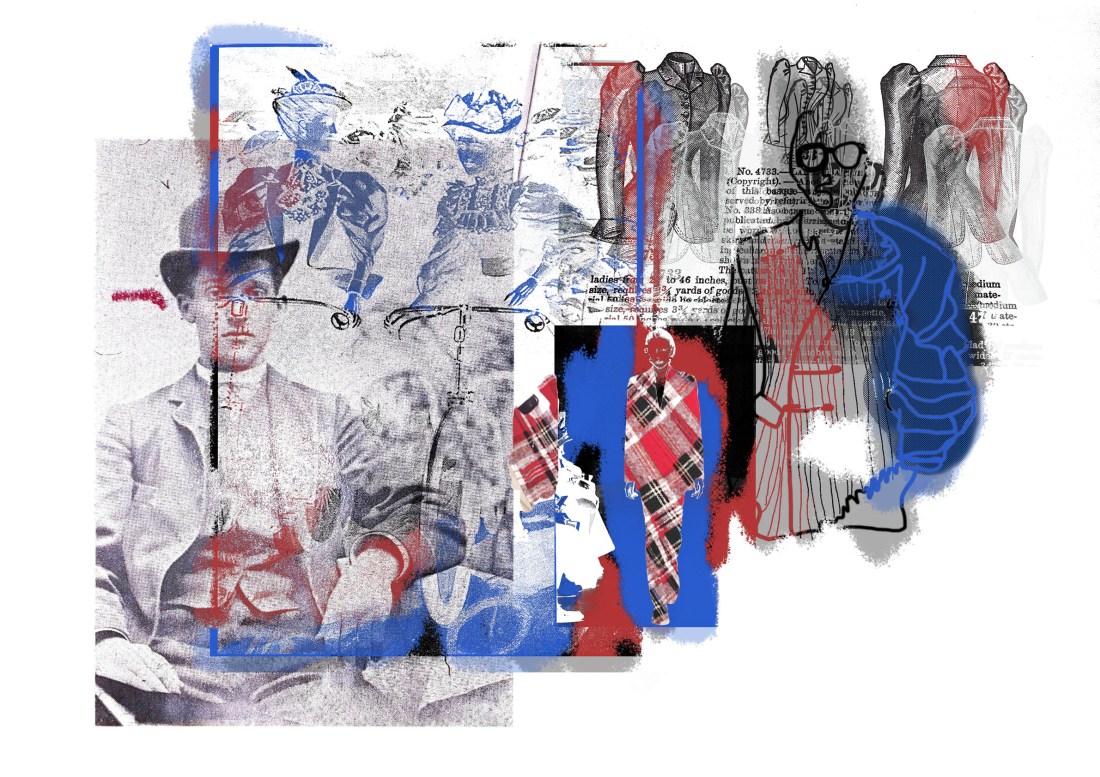
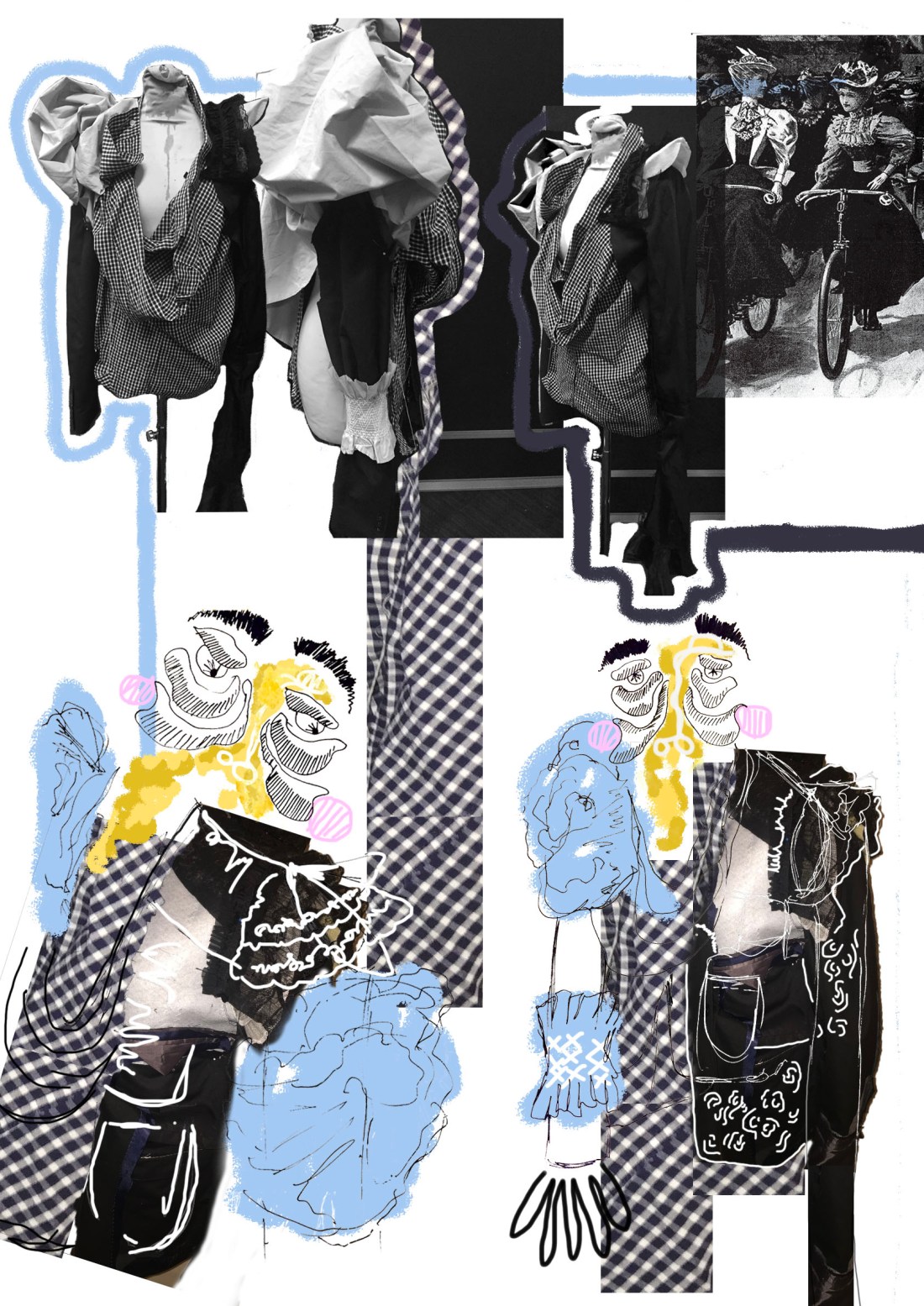
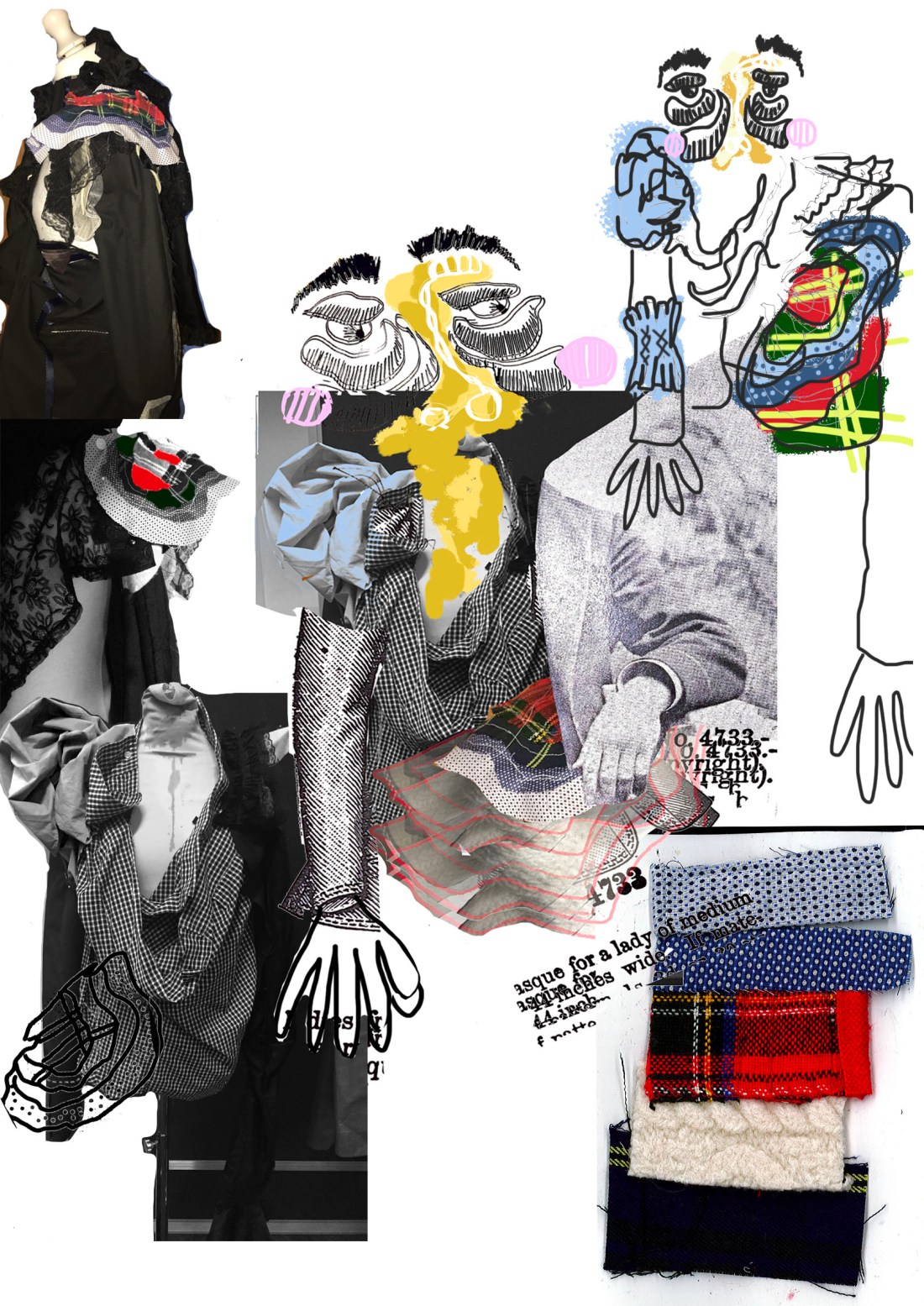
This week, I continued looking into my research and developing it further to be able to create my final lineup and my final garment. Experimenting and exploring different ways of developing my idea further such as using on design or collage and then creating that in to a 3D toile on to the mannequin to help me problem solve which then helped me when making my final piece, to make sure that it worked. For my final garment I really wanted to focus on including signature pieces that make Victorian fashion. For example, volume sleeves, detail such as lace and mens fitted blazers. I wanted to set these as my base and then expand on those with the influence of present day clothing such as shirts and repeated patterns. I really like how I have purposely shown the raw detail on the outside, I found that on the first workshop on the stand and cutting the pieces of clothing and turning them inside out really opened my eyes to considering all aspects of the garments not just the outside. I also really liked using a blazer and cutting up the pieces, using the inner parts of the blazer such as the padding that creates volume and large shoulder pads. However, I could really develop more on the textiles side, playing around with the materials that I already have, weaving them together, sewing or printing another design onto the clothing with a pattern that I developed through my sketch book. On Friday we had a crit session which allowed me to receive feedback from my tutor and peers on what I could developed in my sketch book and my boards and final piece. They suggested that I could play with more colour testings and pallets on my boards and play with different colours on my final designs. Also that I could trace off silhouette ideas from the stand or images and then keep developing that shape further in my sketch book. However they said that I had a good extraction of shapes from my research such as primary and secondary and working on the stand and using those to then help develop my designs.

concept board
Concept Board
development board 1
Design Board 1
development board 2
Design Board 2
final line up
Final Lineup

Deconstruct/Reconstruct Exploring and Research

This week for deconstruct reconstruct I worked constantly with the stand and the shapes of used garments from charity shops to help me to create a final piece. Looking close at the shapes of the garments and the silhouettes that they create when layered or turn inside out and layered together. I really enjoyed just deconstructing the garments and taking them apart to see how they are made and the raw materials inside the garment. My favourite piece that I created was from working on the stand using a knit cardigan and a pair of jeans that I cut in half. By problem solving how to connect them together, I thought of the initial way of how we dress each day and do up our clothing every morning, developing that idea further and thinking why don’t I just do up these pieces using the buttons from the cardigan and the button holes on the jeans to then connect them together. This worked really successfully as I didn’t have to use pins to keep the two pieces together. Furthermore, the cardigan created a hood affect I really liked as I love the voluminous affect that it creates. As I am researching in the Victorian fashion a big part of the women’s fashion was sleeves with volume so transferring this idea onto another part of the body such as around the head. However one workshop that I could develop further would be working with the photocopying details and really exploring into pushing further of what the details actually are and really exploring there structure as part of the garment than just placing it anywhere on the garment.

Fashion Illustrations

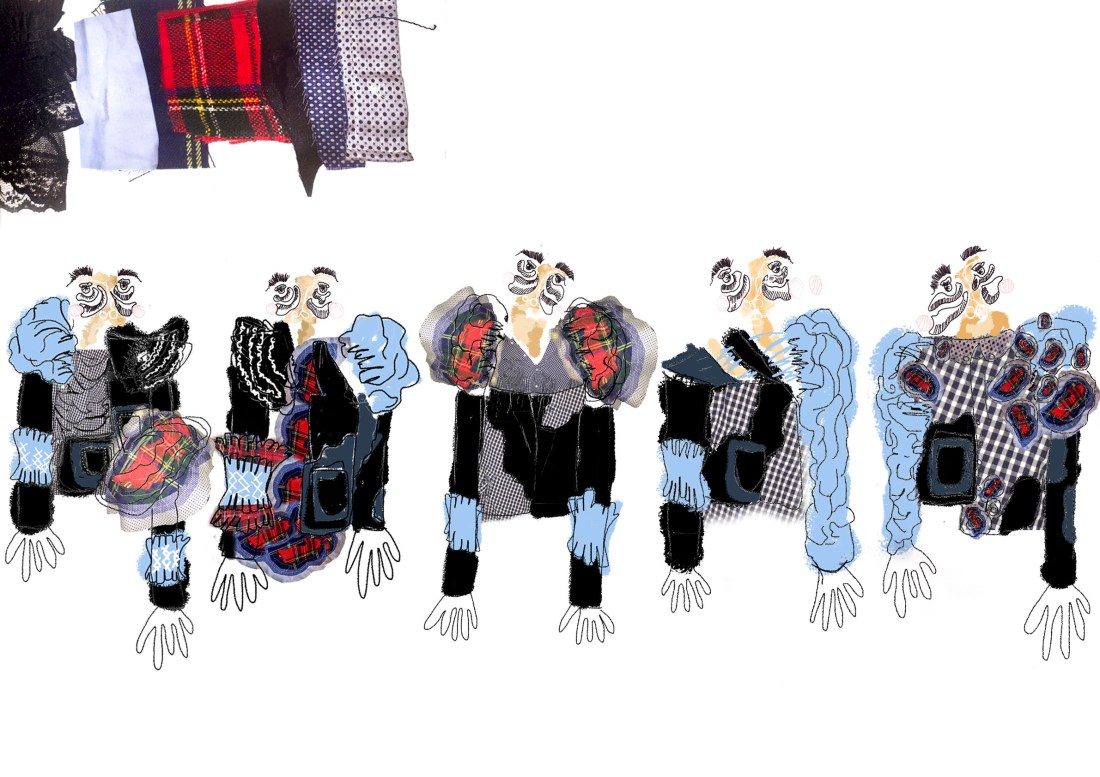
For my final illustrations I wanted to look at all the drawings that I have developed and the techniques I have used, such as using different medias and collaging to create my final five illustrations. The process through the week has really helped me to come to a conclusion with my designs, really expanding my knowledge and skills from when I first started on Tuesday. Looking into the placement on the page using the concept of collage has allowed me to express in more detail and colouring, helping to interpret the design of the garment. I really like how the collage emphasis the detail on the clothing and gives the image a more interesting aspects for the viewer to look at. Using collage really helps to express the detail in which I haven’t been able to show through drawings and works well with my designs. However, I have just used collage to display the colour and not the detail that it could of achieved from drawing. For me to develop my collaging further is to add mixture of collages from different resources. I also really like how the face really works well with the body of my illustrations as the theme is clear through my drawings however, I really need to concentrate on the scaling of my models as I am never able to fit in the whole of the body onto the paper to show the completed design.

Accessories Week – Consumption

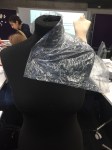
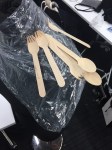
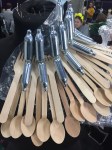
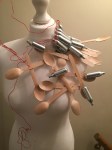
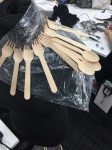
This week for accessories week we looked at sustainability. Reusing rubbish to create are final piece. Looking at the theme of consumption, the good and bad things that we put in our bodies. For my final piece I wanted to create a shoulder piece which then progresses up the neck. This implies the consumption of it going into the mouth as it concentrates around the neck. I really like how the spoons have layered around the neck, I wanted them to be at different lengths to show the unbalanced food in which we eat. However, when I came to layering the cutlery onto the shoulder, I first had a great difficulty trying to attach the cutlery together still capturing the shape of the shoulder, until my tutor gave me the advice to have something underneath such as a base so that the cutlery has something to stick to. After, creating the base I found it quite easy to then stick the cutlery on. However looking at the detail of the shoulder piece, I wish that the cutlery going around the shoulder looked equal between each of them. Next time, I could look at sticking them with tape to hold them in place so that I can see what they look like before properly sticking them down. I was really inspired when I found the balloon canisters because I have not used anything like this before and I wanted to experiment! The canisters where successful when it came to sticking them onto the cutlery and stood up really well considering the weight of them. Having tested them before I knew that it would of been a success. In addition, I really wanted to explore with the cutlery further and create a bag. I really like how the cutlery creates its shape when crossing them over making it clear that its a bag shape when looking at it. I also really wanted to play with colour and tested with spray painting the canisters to make it look fun and hallucinative, like when you consume the drug. By looking at the colours it instantly attracts my eyes to the shape so that it easy to identify. Overall, I feel that it has been a problem solving success being able to look at my designs and testing then creating a final garment from my initial ideas.